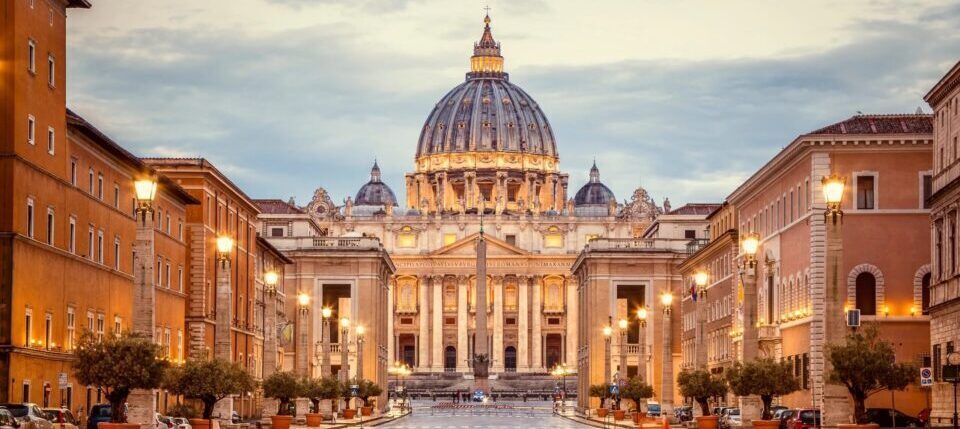
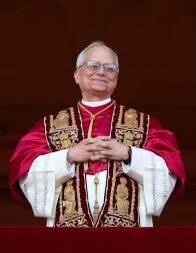
An array of lay women and men are required to house and feed the cardinals. A conclave’s duration cannot be predicted — and it will only be known when white smoke rises out of the Sistine Chapel chimney to signal a winner.
All those people will be sequestered to be on hand for any medical needs, and maintain the majestic beauty appropriate for the election of the next head of the 1.4 billion strong Catholic Church.
The cardinals will be living in residences on Vatican grounds, and they can either walk the roughly one kilometer (less than a mile) to the Sistine Chapel or take a special shuttle bus that runs only within the sealed Vatican grounds — and for that drivers are also needed.
Phones and secrecy
The Vatican spokesman, Matteo Bruni, said Monday that the cardinals would be “invited” to leave their mobile phones at their Vatican residence and not take them to the Sistine Chapel, but that they wouldn’t be confiscated.
Bruni recalled that cardinals take an oath to obey the Vatican regulation governing the conclave, which forbids divulging any information about the proceedings and prohibits communicating with the outside world until the election is over.
The Vatican also plans to use signal jamming during the conclave to prevent electronic surveillance or communication outside the conclave, with the Vatican gendarmes overseeing the security measures.
The oath
The provisions for the oath-taking are laid down in Vatican law.
St. John Paul II rewrote the regulations on papal elections in a 1996 document that remains largely in force, though Pope Benedict XVI amended it twice before he resigned in 2013. He tightened the oath of secrecy, making clear that anyone who reveals what went on inside the conclave faces automatic excommunication.
In John Paul’s rules, excommunication was always a possibility, but Benedict made it explicit, saying they must observe “absolute and perpetual secrecy” and explicitly refrain from using any audio or video recording devices.