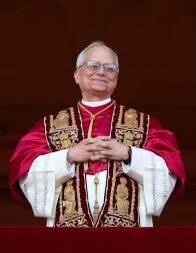
Cardinal Camillo Ruini, a formidable strategist of the Church in Italy during the pontificate of Pope St. John Paul II and a key architect of its post-Cold War engagement with politics and culture, died Tuesday in Rome.
As head of Italy’s bishops’ conference and vicar of Rome during the 1990s and the 2000s, the cardinal often took strong and influential stances on social and moral issues, giving him a reputation for helping to shape ecclesiastical and political opinion.
Personally courteous, reserved and even shy in manner, he was also intellectually sharp, politically shrewd and very determined on questions of principle, especially when it came to “non?negotiable” issues such as the right to life, marriage, and the family. Any severity he would direct toward ideas rather than persons, while he remained generally polite and respectful towards opponents.
All of this made him a trusted collaborator of John Paul II — and later of Benedict XVI — as he dedicated himself to keeping the Catholic Church in Italy relevant at a time when secularism was increasingly taking hold of the nation’s politics and society.