In 1701, Pope Clement XI created the institution that today bears the name “Pontifical Ecclesiastical Academy.”
The Academy trains priests to serve in the Holy See’s diplomatic corps and the Secretariat of State, and its alumni include Popes Clement XIII, Leo XII, Leo XIII, Benedict XV, and Paul VI.
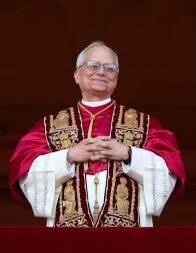
As the Pontficial Ecclesiastical Academy celebrates its 325th anniversary, Pope Leo XIV sent a letter to the institution’s community, thanking God for its long and fruitful history in service of the Pope.
He recalled that many of his predecessors safeguarded the mission and growth of the Academy, so that the Holy See may always have diplomats capable of representing the Pope.
Not long before his death, Pope Francis released a Chirograph entitled Il Ministero Petrino (“The Petrine Ministry”), which designated it as an advanced center of higher academic formation and research in the Diplomatic Sciences.
Pope Leo upheld his predecessor’s confirmation of the Academy as a direct instrument of the Holy See’s diplomatic action.
“These most recent reforms,” he said, “reflect the aim of offering a course of formation which, built on a solid scientific foundation, is able to integrate legal, historical, political, economic, and linguistic competencies and to unite them with the human and priestly qualities of young priests.”
He also thanked the Academy’s superiors and students for undertaking a “path of communion and renewal in a spirit of faith and openness, welcoming changes without forgetting your roots.”
In 1701, Pope Clement XI created the institution that today bears the name “Pontifical Ecclesiastical Academy.”
The Academy trains priests to serve in the Holy See’s diplomatic corps and the Secretariat of State, and its alumni include Popes Clement XIII, Leo XII, Leo XIII, Benedict XV, and Paul VI.
As the Pontficial Ecclesiastical Academy celebrates its 325th anniversary, Pope Leo XIV sent a letter to the institution’s community, thanking God for its long and fruitful history in service of the Pope.
He recalled that many of his predecessors safeguarded the mission and growth of the Academy, so that the Holy See may always have diplomats capable of representing the Pope.
Not long before his death, Pope Francis released a Chirograph entitled Il Ministero Petrino (“The Petrine Ministry”), which designated it as an advanced center of higher academic formation and research in the Diplomatic Sciences.
Pope Leo upheld his predecessor’s confirmation of the Academy as a direct instrument of the Holy See’s diplomatic action.
“These most recent reforms,” he said, “reflect the aim of offering a course of formation which, built on a solid scientific foundation, is able to integrate legal, historical, political, economic, and linguistic competencies and to unite them with the human and priestly qualities of young priests.”
He also thanked the Academy’s superiors and students for undertaking a “path of communion and renewal in a spirit of faith and openness, welcoming changes without forgetting your roots.”
Pope: Papal diplomats must be ‘bridges of hope when goodness wavers’
17 Saturday Jan 2026
NEWS