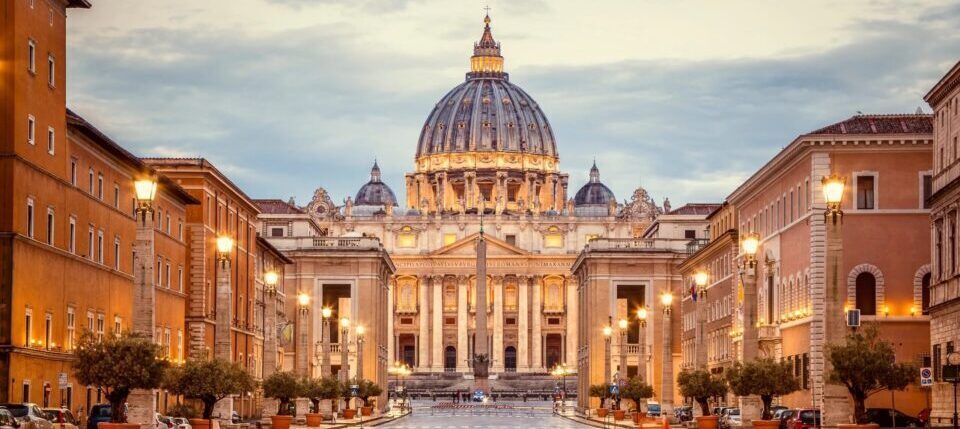
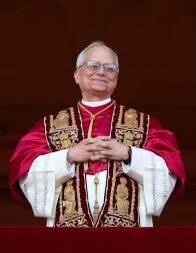
The Vatican’s veil of secrecy is beginning to lift, shedding light on how 133 cardinals from around he world unexpectedly coalesced behind Chicago native Robert Prevost, now Pope Leo XIV.
The big picture: Prevost benefitted from being the “least American” of the U.S. cardinals, from being an acolyte of Pope Francis’ but not a “photocopy,” and from his reputation as a good listener and quietly effective administrator, his fellow cardinals revealed on Friday.
The quiet American
Prevost was hardly mentioned in pre-conclave media coverage and was a non-factor in the betting markets — but he was the subject of intense interest among his fellow cardinals in the days between their arrival in Rome and the start of the conclave.
“I was surprised at how many of my colleagues asked me… ‘do you know this Roberto Prevost?'” Timothy Dolan, the Archbishop of New York, said at a press conference alongside fellow North American cardinals.
The truth was Dolan knew very little about Prevost, who spent most of his adult life away from the U.S. — much of it as a missionary and later bishop in Peru, where he gained dual citizenship.
When the American cardinals posed for a photo ahead of the conclave, Prevost wasn’t even in it.
There was a longstanding belief that an American would never be selected pope, because the U.S. is already a geopolitical superpower.
But when it came to Prevost, the fact that he was an American was “almost negligible in the deliberations of the conclave, surprisingly so for me,” said Robert McElroy, the archbishop of Washington.
Francis’ heir, but his own man
Prevost only became a cardinal in 2023, but Pope Francis made him one of the senior-most figures in the Catholic hierarchy earlier this year by elevating him to the rank of cardinal-bishop.
He was seen as close to his predecessor both personally and in terms of outlook, but somewhat more moderate in temperament and on some ideological questions than the more fiery Francis.
That made him a continuity candidate but also a plausibly acceptable choice for some who had quibbles with Francis.
The chatter among the electors ahead of the conclave was “we’re looking for someone following in the pathway of Francis, but we’re not looking for a photocopy,” McElroy said.
“He runs a great meeting”
Francis made Prevost the head of the powerful Curia department responsible for appointing bishops, bringing him into closer contact with senior figures in the church, including some who later elevated him to the papacy.
Dolan said one of the first pieces of insight he picked up about Prevost was “he runs a great meeting, which not everybody does.”
Multiple cardinals said they saw Prevost as a good listener and an effective administrator, while others were impressed by their interactions with him ahead of the conclave.
“It wasn’t that he got up and made this overwhelmingly convincing speech that just wowed the body,” reflected Cardinal Wilton Gregory. “But I do believe he engaged quite effectively in the smaller group conversations.”
“A mad dash to unity”
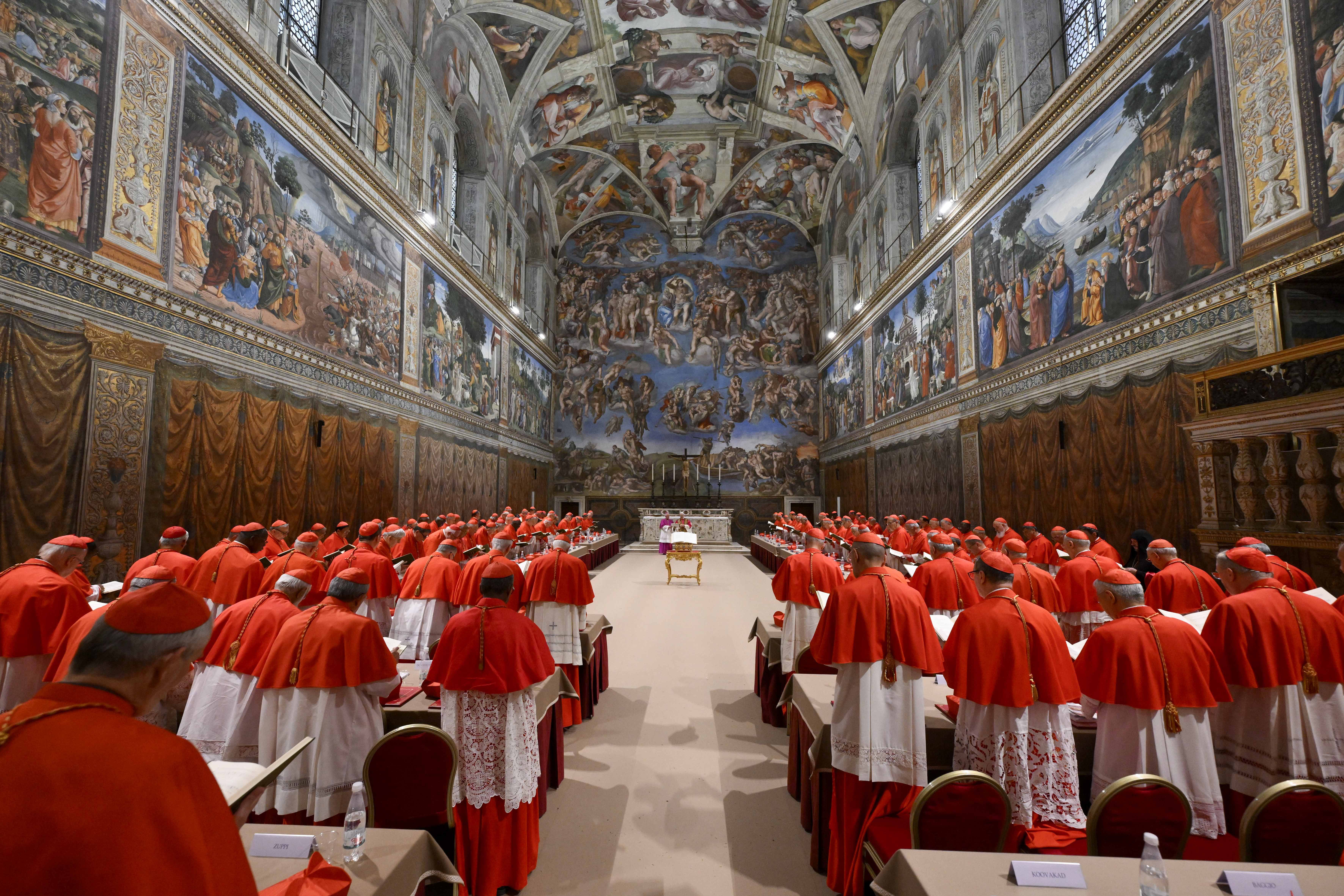
The cardinals are sworn to secrecy about what happened inside the conclave itself, but it’s clear that momentum shifted strongly in Prevost’s favor during the three rounds of voting on the second day.