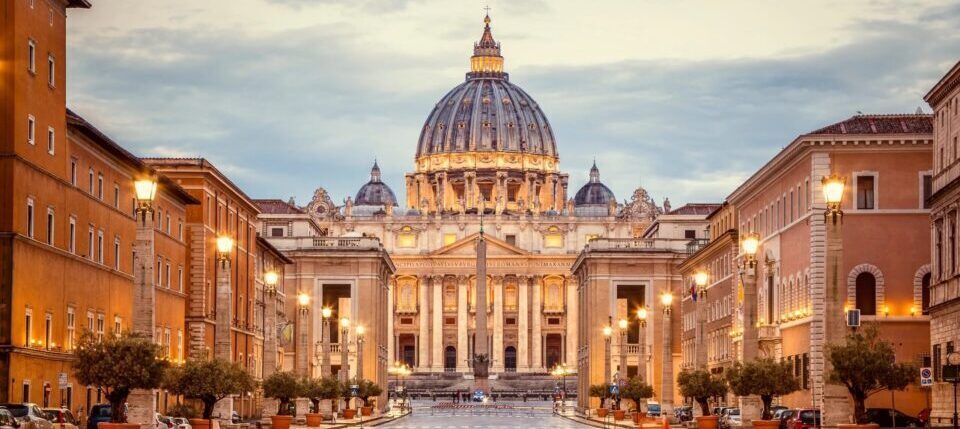
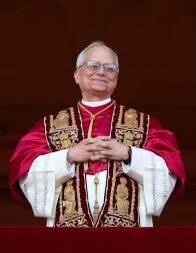
When Cardinal Robert Francis Prevost stepped onto the balcony of St. Peter’s Basilica as Pope Leo XIV, the first American to ever hold the papacy, the moment was both historic and surprising.
Prevost was not among the frontrunners of a conclave that was followed as closely as a championship match. His name appeared in few public predictions. On betting platforms like Polymarket, he wasn’t even granted a one percent chance. Yet there he was—quiet, composed—delivering his first papal blessing to a stunned crowd in St. Peter’s Square on Thursday in the heart of Rome.
A Chicago-born, low-key missionary who spent much of his adult life in Peru, serving for years as bishop in the northern city of Chiclayo, Prevost was better known among Latin American clergy than in Vatican circles. Even after his 2023 elevation to head the Dicastery for Bishops, he rarely made headlines and seldom courted the media.
But he is the first pope to have a confirmed, pre-papal presence on social media, giving the world a look — however imperfect — into some of his views and positions on issues relevant to the 1.4 billion Catholics he now leads.

USA Cardinal Robert Francis Prevost celebrates a Mass on the Jubilee of The Armed Forces, Police and Security Personnel presided by Pope Francis greets at St. Peter’s Square on February 09, 2025 in Vatican City, Vatican. During the Mass the Pope asked his Master of Ceremonies, Archbishop Diego Ravelli, to continue reading his homily for him, as he was a bit out of breath. Over the past few days, the Pope has been getting over bronchitis, but he has continued his activities and meetings at his Casa Santa Marta residence.
His positions on major social issues have not been widely known. But as interest in his worldview exploded with the cries of “Habemus Papam!” from the Vatican loggia, a clearer picture has begun to emerge—gradually, through the public posts he’s shared or amplified on social media, along with past speeches and interviews.
Christianity and the Church
Prevost has long maintained that the Church must remain a moral compass even when countercultural. In a 2012 synod address, he warned that the modern world’s celebration of individual autonomy often leads believers away from the Gospel.
In his first address as pope, Leo XIV spoke about “building bridges” and “God’s love for all,” language that echoes Francis’ style, though the doctrinal firmness remains unchanged.